Home » 2020

Yearly Archives: 2020

10 Essential Job Skills You Gain As An Online Student

As you earn your degree and decide to study some classes online, you acquire some of the most sought-after skills in today’s job market.

Saint_Leo_University_OnlineThere’s a significant benefit to pursuing your college degree and taking some classes online that may surprise you.

Sure, you probably chose BMCC for its reputation, flexibility and convenience – so that you could continue to work, and take care of parts of your life.

What you probably did not realize when you enrolled, however, is that a degree program with some online classes helps you strengthen fundamental job skills that employers, regardless of industry, seek in today’s job applicants. These are essential skills such as communication, teamwork and time management that hiring organizations are having a hard time finding even in otherwise qualified candidates.

Data supports demand for soft skills

Burning Glass Technologies, a leader in job market analytics, recently analyzed millions of job postings across the United States and identified 28 foundational, non-specialized skills that are requested by employers across industries. In addition to listing the skills, the report includes data about how difficult these skills are to find in the job market. “Employers appear to face real skill gaps in finding the baseline skills they need,” it states.

BMCC Business Management Deputy Chairperson, Dr. Shane Snipes, explains that soft skills such as communication, critical thinking, problem solving, and time management are fundamentals needed in any industry, at any given time in history, “in order to allow the technology of the time to be utilized to its fullest.” Companies today want you to know how have online meetings, share materials online, and much more.

And online students, he says, have an advantage when it comes to developing these skills.

“Online education puts the ownership of education into the hands of the student much more than a traditional classroom. Students must become self-starters in soft skill areas in order to succeed.”

Adaptability indispensable

“Since there is no more predictability in business – or employment, for that matter,” Snipes says, he believes that adaptability is the most important soft skill the contemporary workplace demands.

And who understands adaptability – and the need to shift gears as circumstances change unpredictably – better than a busy working adult enrolled in an online degree program?

Adaptability means changing old behaviors and embracing new ideas and ways of doing things. It means learning new digital tools for conducting online research or collaborating with other students.

That’s just for starters. Here are 10 additional skills that are in short supply in today’s labor market that you develop as an online student…

1. Communication skills

Without the face-to-face time with other students and professors that naturally occurs in on-ground classes, online students work hard to effectively communicate digitally, share information in nontraditional ways, listen and read carefully, and respond specifically and succinctly.


2. Organizational skills

For online students, organization is a way of life imperative to managing multiple assignments, courses and deadlines, in addition to work and family responsibilities. These students realize that organization is a mindset and a habit that enables them to focus on short-term goals.


3. Writing skills

Online courses are writing intensive, giving students the opportunity to strengthen critical writing skills every academic term. Since online students communicate extensively via email and online discussion boards, they gain an understanding of the nuances of digital communication, a critical asset in a today’s workplace.


4. Ability to meet deadlines

Online degree programs are not self-paced: courses include assignments with weekly deadlines. Similar to traditional semesters, online academic terms are not open ended; they have start dates, end dates and final exams. Successful online students must know how to meet deadlines.


5. Computer skills

Basic technical literacy is essential for just about any position in any industry. Clearly, since online students can navigate the online environment, they have foundational computer skills necessary for the job market. Working with other students and professors via videoconferencing, webinars, online discussion boards and other online communication and collaboration tools prepares online students for today’s technology-driven work environment.


6. Teamwork

One of the misconceptions about online learning is that students are isolated. Group projects are often part of the curriculum requiring students to leverage each other’s strengths as well as compromise and adapt to accommodate each other’s schedules and priorities.


7. Time management

There’s an old saying that if you want something done to ask a busy person. People with a lot on their plates know they must manage their time. Online students know how to make effective use of short blocks of time (like waiting in the car to pick up your child from school) to accomplish small tasks and how to save long blocks of time for more complex tasks.


8. Self Starter

Online education puts more responsibility on the student. Online students must take charge of their own learning, staying on top of assignments without the structure of a traditional classroom to guide them. Self-motivation is the hallmark of successful online students.


9. Research skills

By learning about traditional and non-traditional resources, how to identify and state a problem clearly and concisely, and how to go beyond simple Google searches and use advanced featuers when digging for information, online students develop strong research skills that prepare them for the workforce.


10. Problem-solving skills

The responsibilities associated with the multiple hats every online student wears – student, parent, employer, spouse, son or daughter – create challenges both large and small with daily opportunity to apply problem-solving skills. Two of those skills, in particular, resiliency and perseverance, define adult online students.

Demonstrating soft skills

From writing to research, teamwork to organizational skills, with each academic term you complete, you strengthen skills that are in demand across every occupation. The key is to be able to demonstrate these skills on your resume, in a cover letter or in a job interview.

For example, asked to describe your ability to meet deadlines under pressure?

Explain how you completed a research paper while studying for final exams and tending to an ill parent or child.

Need to give an example of teamwork?

Describe how you learned to collaborate with other online students across time zones and work schedules on group projects.

“I think soft skills are so hard to find because the last 20-30 years of socialization and communication have changed more quickly and more dramatically than any other time in history,” says Snipes. “And now we are experiencing the biggest divide ever in the workplace.”

But it’s a divide that you, as a graduate of an online degree program, will be able to bridge.

Continue Reading →

10 Commonly Asked Coronavirus Small Business Loan Questions

Your most commonly asked questions about the SBA loans being offered to small businesses during the COVID-19 pandemic — answered.

From US Chamber of Commerce – By: Jeanette Mulvey,
 person typing on laptop
Getty Images/fizkes

We’ve been getting lots of questions about the small business loans available to businesses struggling during the coronavirus outbreak. Here we answer the most common questions we’ve gotten. After reading, consider going here for more resources:

10 Common Coronavirus Small Business Loan Questions

1. What loans are available to help small businesses during Coronavirus?

2. How do I get these loans?

  • Apply for the Economic Injury Disaster Loan directly from the SBA here.
  • Paycheck Protection Loans are government-backed but will come from private banks. You should inquire at your local bank about these loans. The Treasury Department has just released the loan application. You can see it here. You will still need to apply for the loan at your local bank. This is just the application.

3. How much can I borrow?

  • The Economic Injury Disaster Loan from the SBA can be up to $2 million working capital for up to a 30-year term at 3.75% (2.75% non-profits). Not everyone will qualify for that amount.
  • The Paycheck Protection Loans can be for 2.5 months of average payroll or $10 million — whichever is less.

4. Do I need to repay these loans?

  • You must repay the Economic Injury Disaster Loan from the SBA. Payments can be deferred for one year after the origin of the loan.
  • All or some of the Paycheck Protection Loan may be forgiven (converted into a grant). There are specific requirements about how you spend the loan and if you continue to employ your workers in order for it to be forgiven. Read them here.

5. What about the $10,000 emergency grant I’ve heard about?

  • The SBA is offering to advance businesses a $10,000 grant that does not need to be paid back. That grant will be paid quickly — in as little as three days.
  • You can apply for that $10,000 grant as part of the Economic Injury Disaster Loan process. If you are awarded the $10,000 emergency grant, you will not have to pay the grant (just the grant) back. You will still have to repay the rest of your SBA Economic Injury Disaster Loan.

6. Can self-employed workers and freelancers apply?

  • Paycheck Protection Loans are available to 501(c)(3)s, self-employed, sole proprietors and independent contractors.
  • SBA Economic Injury Disaster Loans are available to small businesses and non-profits (including faith-based) with fewer than 500 employees, sole proprietors and independent contractors.

7. Can you apply for both loans?

  • Yes. You can apply for and receive both loans.

8. Do I need good credit to qualify for these loans?

  • The Paycheck Protection Loan requires no collateral and no personal guarantee.
  • The Economic Injury Disaster Loans are given based on credit scores. No tax returns are required. You can borrow up to $200,000 without a personal guarantee.

9. What if I’ve already fired or laid off my employees? Do I still qualify for a Paycheck Protection Loan?

  • Your loan may be forgiven if you bring back employees and restore wages generally within 30 days and maintain them through June 30.

10. My bank doesn’t seem to know anything about the Paycheck Protection Loan. Now what?

  • Banks are currently working out the details but are expected to be ready by April 3. The Treasury Department has released more details on the loan here. You can also view the application here. You will still need to apply through a private bank.

Coronavirus Guide for Small Businesses

CO— is working to bring you the best resources and information to help you navigate this challenging time. Read on for our complete coronavirus coverage.

For more resources from the U.S. Chamber of Commerce:

  • Check out the U.S. Chamber’s Small Business Loan Guide.
  • To help you manage your business through the coronavirus crisis, the U.S. Chamber of Commerce has created a toolkit for businesses and a customizable flyer for businesses to communicate their coronavirus efforts to customers.
  • For more information pertaining to your specific location, you can find your local Chamber of Commerce here.
  • The U.S. Chamber of Commerce Foundation has created a full list of programs providing financial assistance to small businesses impacted by COVID-19. You can find that here.

Continue Reading →

CORONAVIRUS SBA LOAN OPTIONS: PAYCHECK PROTECTION PROGRAM AND ECONOMIC INJURY DISASTER LOANS

Updated – Feb 1, 2020 *from SBA.gov directly

President Trump signed into law the CARES Act, which provided additional assistance for small business owners and non-profits, including the opportunity to get up to a $10,000 Advance on an Economic Injury Disaster Loan (EIDL). This Advance may be available even if your EIDL application was declined or is still pending, and will be forgiven.

If you wish to apply for the Advance on your EIDL, please visit www.SBA.gov/Disaster as soon as possible to fill out a new, streamlined application. In order to qualify for the Advance, you need to submit this new application even if you previously submitted an EIDL application. Applying for the Advance will not impact the status or slow your existing application.

Also, we encourage you to subscribe to our email updates via www.SBA.gov/Updates and follow us on Twitter at @SBAgov for the latest news on available SBA resources and services. If you need additional assistance, you can find your local SBA office and resource partners at www.SBA.gov/LocalAssistance. If you have questions, you may also call 1-800-659-2955.

Webinar recording of Small Business COVID-19/Coronavirus  covering the basics from the Small Business Administration (SBA)

UPDATE April 1:

The paid leave requirements introduced in the Families First Coronavirus Response Act—emergency paid sick leave and emergency paid family leave—go into effect TODAY, April 1.

A few things to know:

  • The law includes 2 weeks of paid sick leave and up to 12 weeks of paid family leave.
  • Employers with fewer than 500 employees are required to offer these benefits until December 31, 2020.
  • You may not be required to offer these benefits if your business has fewer than 50 employees and providing paid leave would “jeopardize the viability of your business.”
  • You also may not be required to provide the leave if you’re an emergency responder or health care provider.
  • You are required to post or share electronically the FFCRA poster.

Be sure to check out our blog post on the FFCRA to learn more about the requirements and get answers to questions you may have about the new legislation.

Updated – March 31, 2020 *from www.markspaneth.com*

The Coronavirus Aid, Relief, and Economic Stability Act (CARES Act) contains a substantial amount of law changes, including changes to Small Business Administration (SBA) lending programs. Enhancements to existing SBA loan programs include forgivable loans administered through the new Paycheck Protection Program (PPP) and Economic Injury Disaster Loans (EIDLs). Eligible businesses and non-profits may apply for loans under either or both programs.

PPP Summary

The PPP is an extension of the SBA Section 7(a) program. Any small business (generally a business with less than 500 employees) can apply for loans up to the lesser of 2.5x their average monthly payroll costs or $10 million. Loan proceeds must be used to pay for payroll costs, mortgage interest, rent or utilities and are made on a non-recourse basis with no personal guarantees. The interest rate is capped at 4% and the repayment term is for a period of up to 10 years. Payments may be deferred for one year. Businesses are also eligible for tax-free forgiveness of some or all of the principal amount borrowed if the loan proceeds are used for qualifying expenditures during the eight-week period following the loan funding date. However, businesses that receive loans and later cut back on workforce levels or gross payroll after February 15, 2020 are only eligible for limited forgiveness (pursuant to certain formulas) unless they restore their current workforce levels and gross payroll to pre-COVID-19 emergency amounts by June 30, 2020.

EIDL Summary

The existing SBA EIDL program has been liberalized. More small businesses may apply for loans of up to $2 million, depending on economic damages and the ability to repay. The interest rate is capped at 4% and the repayment term is for a period of up to 30 years. Small (less than $200K) loans are also available without the need for personal guarantees, and applicants are eligible to receive advances requiring no repayment of up to $10K. While EIDL loans are not subject to forgiveness, they do present an additional potential source of funds for businesses that are struggling through the current crisis, and loan proceeds (other than advances) may be used for expenses other than payroll, interest, rent or utilities.

Comparison of SBA Business Loan Program to Economic Injury Disaster Loan Program

Loan Type

SBA Business Loan

Economic Injury Disaster Loan

 Maximum Loan Amount  Lesser of $10M or 2.5X average monthly payroll costs  Up to $2M, dependent on the applicant’s demonstrated economic injury and ability to repay
 Use of Proceeds  Restricted to certain payroll, rent, interest and utility costs  Unrestricted, although “advances” are subject to limits
 Eligible for Forgiveness  Yes  No


 Personal Guarantee Required?  No  No for loans up to $200,000, otherwise yes.
 Recourse  No, unless proceeds used for the non-permitted purpose  Yes
 Interest Rate  Up to 4%  Up to 4%


 Maturity Up to 10 Years  Up to 30 Years

Currently, only applications for EIDL loans are available through the SBA’s website or by mail. Paycheck Protection Program loan application guidance is expected soon for both borrowers and third-party lenders. Before making any decisions, interested borrowers should understand the scope and purpose of these loans.

Below are more details relating to both the PPP and EIDL loans.

PAYCHECK PROTECTION PROGRAM

Eligible Loan Recipients

Eligible loan recipients include businesses, self-employed individuals, independent contractors or non-profits who employ no more than 500 employees (includes full-time, part-time or “other” basis) or for those businesses that comply with the SBA Small Business Size Standard for the NAICS code in which the business operates.

For businesses with a NAICS code that begins with 72 (accommodation and food services, such as hotels and restaurants), the 500-employee limitation is measured on a per-location basis.  For example, a hotel chain that has 1,000 employees who are spread out over 10 locations with no more than 500 employees at any one location may participate in the program.  Also, the affiliation rules that would otherwise require commonly controlled businesses to combine the number of employees are waived for these businesses as well as any franchise that is assigned a franchise identifier code.

Maximum Loan Amount

The maximum loan amount is the lesser of 2.5X the enterprise’s average monthly “payroll costs” incurred during the previous 12 months before the date the loan is made, or $10 million.

Permitted Uses of Loan Proceeds

The PPP imposes restrictions on the use of loan proceeds. Loan proceeds may be used for the following purposes:

  • Payroll costs
  • Costs related to the continuation of group health care benefits during periods of paid sick, medical or family leave, and insurance premiums
  • Employee salaries, commissions or similar compensations
  • Payments of interest (not including pre-payment penalties) on any mortgage obligation
  • Rent
  • Utilities
  • Interest on any other debt obligations that were incurred before the one-year period beginning with the loan date

Payroll Costs

Identifying payroll costs will help borrowers calculate loan amounts, evaluate permitted uses and ultimately determine how much of the PPP loan will be forgiven.

Payroll costs include:

  • Salaries, wages, commissions and similar compensation
  • Cash tips or equivalents
  • Vacation, parental, family, medical or sick leave
  • Severance pay
  • Group health care benefits
  • Retirement benefits
  • State or local taxes assessed on the compensation of employees (e.g., state unemployment and other payroll-based taxes)
  • Payments of any compensation to a self-employed individual that are considered earnings from self-employment and do not exceed $100,000

Payroll costs do not include:

  • Compensation of an individual employee in excess of an annual salary of $100,000, as pro-rated for the one-year period up to the loan date
  • Federal payroll taxes (FICA, Medicare, FUTA)
  • Compensation of any employee whose principal residence is outside of the United States
  • Qualified sick and/or family leave wages for which a credit is allowed under the Families First Coronavirus Response Act

Non-Recourse Nature of Loans

Loans made under the program are non-recourse against any shareholder, partner or member of an eligible recipient unless loan proceeds were used for a non-permitted purpose. No owner of a borrower is required to personally guarantee any covered loan, nor is any collateral required.

Borrower Certification Requirements

Eligible borrowers must certify that:

  • The uncertain current economic conditions make necessary the loan request to support the ongoing operations of the eligible recipient
  • The loan proceeds will be used to retain workers for the permitted purposes described above
  • The applicant does not have another pending loan application for the same purpose
  • The applicant has not received a duplicative loan from the SBA for the period February 15 through December 31

Interest Rate and Maturity Date

The interest on a PPP loan cannot exceed 4% and the amount that is not forgiven has a maximum maturity of 10 years from the application date.

Deferment of Payments and Prepayment Penalties

The payment of principal (if required) and interest is deferred for up to one year and prepayments may be made without penalty.

Loan Forgiveness

The principal amount of the loans made under the PPP is eligible for forgiveness. Amounts eligible for forgiveness are the lesser of the amount of 1) the loan principal amount or 2) the amounts expended during the eight-week period following the funding that was used for:

  • Payroll costs
  • Payment of interest (other than prepayment penalties) on any recourse mortgage secured by real property owned by the borrower prior to February 15, 2020
  • Rent on a lease obligation of the borrower that was in force prior to February 15, 2020
  • Utility payments (including electricity, gas, water, telephone, transportation or internet access) for which service began prior to February 15, 2020

Loan Forgiveness Reductions

To encourage borrowers to retain and rehire employees, the amount eligible for forgiveness is reduced (not increased) based on workforce or employee salary reductions.

Workforce reductions – The loan forgiveness reduction based on workforce reductions is calculated by taking the amount eligible for forgiveness and multiplying it by the average number of full-time equivalent employees (FTEs) per month employed during the eight-week period beginning with the loan funding date over one of the following:

  • the average number of FTEs employed per month from February 15, 2019 through June 15, 2019; or,
  • the average number of FTEs employed per month from January 1, 2020 and ending on February 29, 2020.

Example:  ABC Inc. employed a workforce of 50 FTEs during the period February 15, 2019 through June 15, 2019, and 45 employees for the period January 1, 2020 through February 29, 2020.  ABC applies for and receives a PPP loan of $1 million which is funded on April 15, 2020.  For the eight-week period April 15, 2020 through June 9, 2020, ABC’s monthly average number of FTEs is 40.  For purposes of calculating the reduction in loan forgiveness, ABC should elect the measurement period January 1, 2020–February 29, 2020, since it will result in a higher amount of the loan being forgiven. In this case $888,889 would be forgiven (1,000,000 – (1,000,000 x 40/45) = 888,889). If ABC Inc. uses the default measurement period of February 15, 2019–June 15, 2019, the amount of the loan forgiven would be $800,000 (1,000,000 – (1,000,000 x 40/50) =$800,000).

Salary or wage reductions – The amount of the loan eligible for forgiveness is also reduced by the total reduction in salary or wages of any employee who earned less than $100,000 (as annualized) during 2019. The amount ineligible for forgiveness is the compensation that exceeds 25% of the total salaries or wages of the employee for the most recent full quarter during which the employee was employed before the eight-week period beginning on the loan funding date.

Example:  ABC, Inc. applies for and receives a PPP loan of $1 million on April 15, 2020.  Jane worked for ABC for all of 2019 and earned a salary of $50,000.  On March 17, 2020, Jane was laid off from her job with ABC due to lack of work. For the period January 1, 2020–March 31, 2020, Jane earned $10,400.  ABC does not rehire Jane. Because Jane was not paid during the eight-week period following the loan funding date (April 15, 2020–June 9, 2020), ABC is not eligible for loan forgiveness for 75% of Jane’s wages for the quarter ended March 31, 2020, or $7,800.

Relief from Forgiveness Reduction

Employers who rehire employees or restore wage reductions of employees by June 30, 2020 may receive relief from loan forgiveness reductions. Loan forgiveness reductions will not apply to any employer who between February 15, 2020 and 30 days after enactment of the CARES Act:

  • reduced the number of FTEs during the period and not later than June 30, 2020 has eliminated the reduction in FTEs; or
  • reduced salaries and wages for one or more employees during the period and eliminated the reduction in salary of the employee(s).

Example: Between February 15, 2020 and April 27, 2020 (30 days after enactment of the CARES Act), XYZ Manufacturing laid off 200 of its 210 workers. The company applied for and received a PPP loan of $6.5 million on May 15, 2020.  From May 15, 2020 through June 30, 2020, XYZ hires 200 employees and has at least the same number of FTEs that it had during the period February 15, 2019–June 30, 2019 (or, at the company’s election, January 1, 2020-February 29, 2020). So long as XYZ uses the loan proceeds for its qualified purposes, XYZ will be eligible for forgiveness reduction relief.

Federal Income Tax Treatment of Loan Forgiveness

Unless an exception exists, the forgiveness of indebtedness typically results in taxable income, a reduction in tax attributes or both. PPP loans forgiven under this program, to the extent that loan forgiveness would otherwise be includible in the gross income of the recipient, are excluded from income.

ECONOMIC INJURY DISASTER LOANS

Eligibility Requirements

Eligibility for the SBA’s existing Economic Injury Disaster Loan (EIDL) program has been expanded to include businesses and non-profits with no more than 500 employees, sole proprietorships (with or without employees) and independent contractors. All states and their political subdivisions qualify as disaster areas with sufficient economic damage to qualify for EIDLs.

Maximum Loan Amount

Applicants who demonstrate economic injury and the ability to repay may receive an EIDL for up to $2 million.

Permissible Uses

Other than EIDL $10,000 advances, the use of the loan proceeds is unrestricted.

EIDL advances of up to $10,000 will be processed within three days of applying. These advances do not have to be repaid, even if the applicant’s loan is denied.  However, advanced amounts must be used for any or all of the following purposes:

  • Providing sick leave to employees not able to work due to the direct effects of COVID-19
  • Maintaining payroll during business disruptions and slowdowns
  • Meeting increased supply chain costs
  • Making rent or mortgage payments
  • Repaying debts that cannot otherwise be paid due to lost revenue

Loan Terms

The borrower may receive up to $2 million, dependent on the borrower’s demonstrated economic injury and ability to repay. The interest rate is no more than 4% and a loan term of no more than 30 years. Personal guarantees are required unless there is an EIDL advance or for loans of $200,000 or less. Lenders may accept applicants based solely on credit scores or “alternative appropriate methods to determine an applicant’s ability to pay.”

Waivers

The expanded EIDL program waives the “1 year in business prior to the disaster requirement” for businesses in operation prior to February 1, 2020 and the requirement that the applicant be unable to find credit elsewhere.

Continue Reading →

Small Business Resources for Coronavirus / COVID-19

National

SBA’s Economic Injury Disaster Loans

The SBA is planning on offering low-interest federal disaster loans for eligible small businesses and non-profits reeling from the financial impact the coronavirus is causing.

The program is being developed in real-time, but you can learn more about your eligibility and how to apply by calling their customer service number (1-800-659-2955) or emailing this address.

  • Eligible small businesses can receive loans of up to $2 million.
  • The loans may be used to pay fixed debts, payroll, accounts payable, and other bills that can’t be paid because of COVID-19.
  • The interest rate is 3.75% for small businesses without other credit options, and 2.75% for non-profits.
  • A long-term repayment plan of up to 30 years can help keep payments affordable.

Your local SBA District Office

Get in touch with your local SBA office to see if they have any additional resources specifically designed for business owners in your area.

Facebook

Facebook created a free Business Resource Hub with resources for businesses struggling to navigate the COVID-19 outbreak. Through the program, Facebook is offering $100M in cash grants and ad credits for up to 30,000 eligible small businesses.

Verizon

Verizon is waiving late fees incurred by any small business or residential customers due to their economic circumstances related to COVID-19 for the next 60 days. The company will also not terminate service to any customers who are unable to pay their bills due to COVID-19, and is adding an extra 15GB of data to all consumer and small business plans.

AT&T

AT&T will not terminate the service of any wireless, home phone, or broadband residential or small business customers unable to pay their bill due to disruptions caused by COVID-19. For the next 60 days, the company will also waive late payment fees incurred because of the COVID-19 pandemic, and it will keep public Wi-Fi hotspots open for any American who needs them.

Comcast

Comcast is providing free Xfinity hotspots, unlimited data, and no disconnects or late fees for all customers experiencing hardship over the next 60 days. Comcast is also offering a free Internet Essentials internet plan for all new customers for 60 days.

Yelp

Yelp created a $25 million fund to provide relief to independently owned restaurant and nightlife businesses and franchisees with fewer than five locations in the form of waived advertising fees and free advertising, products, and services during this period.

Small Business Relief Initiative

Intuit Quickbooks teamed up with GoFundMe and Yelp to launch the Small Business Relief Initiative to provide small business owners with the financial support and resources needed to continue running their businesses during and after the coronavirus crisis.

Each company has donated $500,000 to start the fund, which will provide grants to small businesses across the United States, starting with the hardest hit areas. The fund will also issue $500 matching grants to qualifying businesses that raise at least $500 on GoFundMe.

Industry-Specific Resources

Wellness Relief Fund

Reclamation Ventures opened a grant opportunity to cover one month of missed revenue (up to $2,500) for wellness spaces and wellness instructors that represent underestimated communities.

Applications will be open until April 30. Click here to apply.

Food Business

This webinar series will kick off TODAY (Monday, March 30) at 2 P.M. ET with “Insurance, the Facts for Restaurants”, a review of the universal rules about insurance in hospitality and food businesses. Register here.

Our advocacy-focused webinar will take place on Thursday, April 2, at 2 P.M. ET with a team from Arnold & Porter, who will talk about various provisions in the relief bills, including unemployment insurance.

Find more information and a list of webinars here.

California

Unemployment Insurance Work Sharing Program

Employers who are considering laying off employees due to a slowdown in business from the coronavirus can apply for the UI Work Sharing Program, which partially offsets reduced worker hours and wages with UI benefits. The program allows you to retain trained employees and quickly prepare for when business improves.

You can apply for a Work Sharing plan by completing the application and mailing it to the address on the top of the form.

Rapid Response Program

Rapid Response meets with business owners onsite to discuss strategies for avoiding potential layoffs and assist in providing further training to employees to increase the competitiveness and profitability of the business.

To get started, contact America’s Job Center of California.

State tax extension

The Employment Development Department (EDD) of California will grant a 60-day tax extension for businesses that are experiencing hardship due to coronavirus. The tax extension will give more time for businesses to file state payroll reports and deposit state payroll taxes.

You must submit a written request within 60 days of your original delinquent date.


Oakland

Business Tax Assistance

The City of Oakland’s Finance Department will waive late payment penalties on taxes due March 1, 2020 for small businesses impacted by COVID-19. Employers can also apply for a payment plan to decrease the costs.

To apply for a payment plan of learn more about penalty waivers, call the Finance Department customer service line at (510) 238-3704 or email [email protected].

Small Business Technical Help

Oakland’s Business Assistance Center is working directly with employers to connect them with organizations that offer financial help, technical assistance, and more.

To receive the help, visit oaklandbusinesscenter.com and fill out the online assessment form.

San Francisco

Tax Deferment

San Francisco is deferring payment of quarterly business taxes due April 30 for businesses with up to $10 million in gross receipts. The taxes will be deferred to February 2021 with no interest or penalties.

Business Licensing Fee Deferment

San Francisco is also deferring annual small business license and permit fee due dates that make up the Unified License Bill until June 30, 2020.

For information on both the tax and business licensing fee deferments, visit the COVID-19 Tax and License Deferral site.

Small Business Resiliency Fund

The Office of Economic and Workforce Development created the Small Business Resiliency Fund to offer up to $10,000 in emergency grants for businesses affected by COVID-19. You must be able to show a loss in revenue to be eligible for the grant.

To learn more about the grant, visit the COVID-19 Small Business Resiliency Fund site.

Loan Funds

San Francisco provides access to capital and technical assistance through the Revolving Loan Fund, as well as the Emerging Business Loan Fund, which offers loans of up to $250,000 to qualifying commercial projects.

Contact Karla De Leon at 510-830-3226 or email her at [email protected] to learn more about your loan options.

Colorado

Work-Share Program

The Colorado Work-Share program allows employees of businesses affected by COVID-19 to keep working, but with fewer hours. While an employee is working fewer hours, he or she may be eligible to collect part of his or her regular unemployment benefits.

Employers must satisfy the following requirements to be eligible for the program:

  • Your normal weekly hours must have been reduced by at least 10%.
  • The reduction must affect at least of your employees.
  • You must have paid as much in premiums as the Colorado
  • Department of Labor and Employment paid your former employees in unemployment insurance benefits.

Denver

Small Business Emergency Relief Program

The Denver Office of Economic Development will give grants of up to $7,500 to eligible small businesses in the Denver area. Around 250 businesses will receive the cash grants, and employers in industries that are particularly hit hard by COVID-19 (like restaurants and retail) are encouraged to apply.

Businesses can apply online here.

Tax Extensions

Denver businesses won’t have to pay the 15% late fee if they’re unable to pay their business taxes that are due in March or April.

Connecticut

Disaster Relief Fund

Small businesses and nonprofit organizations in Connecticut that have been impacted by COVID-19 are eligible for disaster relief loans of up to $2 million from the U.S. Small Business Administration. Apply for funding by visiting the SBA Disaster Assistance page.

Tax Extensions

Deadlines for filing and payments associated with certain state business tax returns due on or after March 15, 2020 are extended by at least 30 days. You do not need to take action to receive the extended due date, but if you have questions, visit the Connecticut State Department of Revenue Services website to learn more.

Delaware

Hospitality Emergency Loan Program

The HELP program offers no-interest loans to restaurants, bars and other hospitality industry businesses impacted by COVID-19. The loans are capped at $10,000 per business and can be used for rent, utilities and other unavoidable bills, but not for personnel costs.

The loans carry a 10-year term and payments will be deferred for nine months. Applications will be available soon, check out Delaware’s Division of Small Business Page to learn more.

Florida

Small Business Emergency Bridge Loan Program

The Florida Small Business Emergency Bridge Loan Program is activated to support small businesses impacted by COVID-19. The program provides short-term, interest-free loans to small businesses that experienced economic injury.

Employers with two to 100 employees can apply for loans up to $50,000. The loan is interest free for up to one year. To be eligible, your business must have been established prior to March 9, 2020.

The application period runs through May 7, 2020. To apply, click here.

Tax Assistance

The Florida Department of Revenue dedicated a team to address tax-related issues surrounding COVID-19. To contact the team, email [email protected].

Indiana

SBA Consulting and Training

Gener8tor is hosting emergency one-week virtual programs for small businesses affected by the COVID-19 outbreak. These programs will feature daily webinars designed to identify, understand and help small businesses secure resources to withstand the current crisis. One-on-one office hours will also be available. Click here to register.

Iowa

Small Business Relief Program

Governor Reynolds announced a new Iowa Small Business Relief Program that will provide financial assistance to small businesses and tax deferrals to any Iowa businesses that have been economically impacted by the COVID-19 pandemic. Application deadline is Tuesday, March 31, at 12 p.m.

Maine

Finance Authority of Maine

FAME and participating lenders will make special terms available to Maine-based businesses that have experienced interruption or hardship due to COVID-19. Various benefits include:

  • Loans up to $50,000 offered at reduced interest rates
  • Interest-only payments
  • Up to 75% pro-rata loan insurance on loans up to $100,000
  • Interim financing in conjunction with the SBA wherein FAME makes loan proceeds available while approved SBA borrowers await federal funding.

Maryland

Tax Extensions

The due date for individual and business tax returns has been extended to July 15, 2020. No application for the extended due date is needed.

Massachusetts

Loan Fund

Gov. Charlie Baker announced a $10 million loan fund to help support employers whose businesses have been impacted by COVID-19. Massachusetts-based businesses with under 50 employees will be able to receive up to $75,000 in emergency funding. If you are eligible, you will receive the funds immediately and have no payments for six months.

To apply for the loan, visit the Massachusetts Growth Capital Corporation’s COVID-19 page.

Michigan

Michigan Small Business Relief Program

Starting April 1, the Michigan Small Business Relief Program will provide $10 million in low-interest loans and $10 million in grants to eligible Michigan businesses. The loans are for employers with 50 employees or less, and the grants are for companies with less than 100 employees.

Keep an eye on this page for updates on both programs and how to apply.

New Jersey

New Jersey Economic Development Authority Grants

The New Jersey Economic Development Authority will provide more than $75 million in support for small to mid-sized businesses impacted by COVID-19. The approved package of NJEDA grants includes:

  • Small business grant program
  • Zero-interest loan program for mid-sized businesses
  • Entrepreneur funding
  • Technical support and marketplace information

Keep an eye on this page for updates on how to apply and more.

New York City

Loans and Grants

New York City businesses with fewer than 100 employees who have seen a sales decrease of at least 25% because of COVID-19 are eligible for up to $75,000 in interest-free loans to make up for profit losses.

Small businesses with fewer than 5 employees are being offered a grant to cover 40% of payroll costs for up to two months. If you’re interested in either one of these programs, fill out the COVID-19 Business Assistance Survey.

Washington

State Tax Extension

Employers who have seen an impact on business due to COVID-19 may request a tax extension from the Washington Department State of Revenue. The extension is designed to free up your cash reserves, and give you more time to pay and report your taxes.

If you don’t apply for a tax extension but are late in paying your taxes because of the coronavirus, the penalty may be waived under certain circumstances if you haven’t owed a late penalty in the last two years.

Contact WDOR at 360.705.6705 to find out if you’re eligible for the tax extension.

SharedWork Program

Much like California’s UI Work Sharing Program, the Washington SharedWork Program partially offsets reduced worker hours and wages with UI benefits. This valuable resource can reduce your payroll costs by around 10% and it could allow you to keep your trained staff intact.

Apply for the Shared Work Program here, and refer to the instructions on this page.

Standby

If you need to shut down operations because your employees are sick and need to be quarantined, you can request to place your staff on standby for up to eight weeks. This means your employees will be able to receive benefits and won’t be forced to look for another job.

Washington-based employers must wait for a worker to apply for standby, at which point a “Request for Separation Information” form will be sent in the mail. Fill out the form, mail it back, and you’ll then be sent a decision in the mail.

Continue Reading →

Coronavirus Relief for Small Businesses

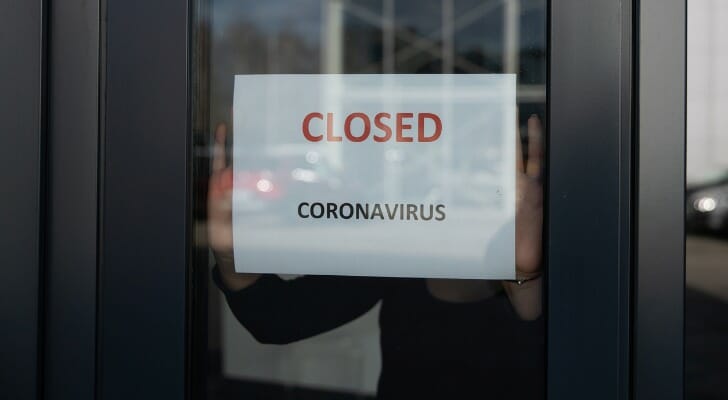
coronavirus small business relief

The coronavirus pandemic has impacted every aspect of American life, including small businesses. With most Americans practicing extreme social distancing, businesses of all sizes have a dearth of customers. In some major markets, including New York, California and Chicago, governments have issued rules mandating that all non-essential businesses close and that restaurants only offer take-out and delivery. All of this has put an enormous strain on small businesses and led to a massive uptick in unemployment.

Fortunately, some help is on the way. On Friday, March 27, President Trump signed a coronavirus stimulus package known as the Coronavirus Aid, Relief, and Economic Security Act (CARES) Act, which contains provisions intended to aid small businesses. In addition, some states have put together relief packages to help these small businesses make it through this increasingly difficult time. SmartAsset has rounded up all of these programs, along with information on how you can apply for them.

Check the SBA Coronavirus Response page for updated info (updated every few days during pandemic)

Federal

The $2 trillion stimulus package includes $350 billion in small business loans and $500 billion in loans for distressed companies.

These small business loans — known as the Paycheck Protection Program — will be run through the same infrastructure as existing 7(a) loans from the Small Business Administration. Loans will be for up to $10 million dollars and are guaranteed at 100% by the SBA. Some of these loans will be forgivable, so if certain requirements are met they may end up functioning more as grants for the business.

President Trump has also signed legislation to support low-interest disaster loans for any business impacted by coronavirus. These loans are administered by the small business administration and are available for up to $2 million in states where an economic disaster has been declared. The interest rate is 3.75% for businesses and 2.75% for nonprofits. The term of the loan varies by applicant but could be up to 30 years. Interested small business owners can apply here. Make sure you also understand your business interruption insurance coverage.

Additionally, don’t forget that the 2020 deadline for filing taxes has been pushed back to July 15 for both individuals and businesses. More federal relief efforts are likely to be coming in the days and weeks ahead.

Check the SBA Coronavirus Response page for updated info (updated every few days during pandemic)

How Do I Qualify?

For the federal programs, you qualify based on the size of your business and proving that you were negatively impacted by the COVID-19 pandemic. Normally, there are much more stringent requirements and documentation for an SBA 7(a) loan, but the loans offered under the CARES Act are being given under loser guidelines, allowing banks to get money to companies quickly so they can cover things like rent and payroll.

There are also individual state and local programs, described below, each of which has their own guidelines. Generally, though, you’ll need to prove your business is under a certain size and has been impacted negatively by COVID-19.

How Much Do I Get?

The size of these loans largely depends on what you ask for and what you need. The Paycheck Protection Program loans offered under the CARES Act are for up to $10 million or 2.5 times the companies monthly payroll cost. The federal disaster loans are for up to $2 million.

Each state program has its own maximum amount. Below, we break down these programs, so find your state to see what you may be eligible for.

How Do I Apply?

To get a loan under the Paycheck Protection Program, you’ll need to talk to a local lender.

Paycheck Protection Program (rehire your employees and receive forgivable loans if you keep them)

The Paycheck Protection Program prioritizes millions of Americans employed by small businesses by directing $349 billion towards job retention and business operating expenses.

Program Overview

The Paycheck Protection Program is designed to provide a direct incentive for small businesses to keep their workers on payroll by providing each small business a loan up to $10 million for payroll and certain other expenses.

If all employees are kept on payroll for eight weeks, SBA will forgive the portion of the loans used for payroll, rent, mortgage interest, or utilities. Up to 100 percent of the loan is forgivable.

Eligibility

Businesses – including eligible non-profits, Veterans organizations, Tribal concerns, sole proprietorships, self-employed individuals, and independent contractors described in the Small Business Act – with 500 or fewer employees may apply.

Businesses in certain industries may have more than 500 employees if they meet the SBA’s size standards for those industries.

Other Assistance

In response to the Coronavirus (COVID-19) pandemic, small business owners in all U.S. states, Washington D.C., and territories are currently eligible to apply for disaster assistance.

Enhanced Debt Relief is also available in SBA’s other business loan programs to help small businesses overcome the challenges created by this health crisis.

For information on additional Lending options, please click here.

SBA provides local assistance via 68 district offices and a nationwide network of resource partners. To find resources near you, please click here.

Each state plan has its own application process, some are described below.

Arizona

Arizona has passed a $50 million bill for coronavirus relief, but leaves much of the details in the hands of Gov. Doug Ducey. For this reason, more details aren’t available at this time in terms of how exactly it will help small businesses or what businesses will need to do to get funds. The bill does specify that businesses and nonprofits with fewer than 50 employees will receive relief.

Arkansas

Gov. Asa Hutchinson has announced that the state will use $12 million from Community Development Block Grants and $4 million from the state’s Quick Action Closing Fund to help small businesses struggling during the outbreak.

California

A number of programs are available in California, one of the states most impacted by the COVID-19 pandemic.

San Francisco has a Small Business Resiliency Fund for businesses that have between one and 25 employees, have less than $2.5 million in gross receipts and can demonstrate a loss of revenue of 25% or more. To apply for this program click here.

Los Angeles is offering microloans to small businesses of between $5,000 and $20,000. The term goes between six months and five years. The rate is 0% for a term of between six months and one year and between 3% and 5% for loans with a term of between one year and five years. Up to $11 million in these loans will be available.

Colorado

Denver, the largest city in Colorado, is offering businesses up to $7,500 if they are in an industry that is particularly impacted by the crisis. There still aren’t many details on how this program will work, but interested businesses can fill out a form here.

Delaware

Gov. John Carney announced that restaurants, bars, hotels and other hospitality businesses will be eligible for the Hospitality Emergency Loan Program (HELP), offering no-interest loans at up to $10,000 per business per month. The loans have a 10-year term and have payments deferred for nine months. To be eligible, a business must have been operating for at least a year, have annual revenue below $1.5 million and be in a hospitality-connected industry. You can email [email protected] to see if you qualify or call 302-739-4271 with more questions.

Florida

coronavirus small business relief

Gov. Ron DeSantis activated the Florida Small Business Emergency Bridge Loan Program, giving short-term interest free loans to small businesses impacted by COVID-19. Up to $50 million has been allocated for the program, Each loan is for one year and can for up to $50,000. Apply for the program online here.

Georgia

Georgia has delayed registration and registration fees for all corporations.

Illinois

Chicago, Illinois’ largest city, is working with the Catalyst Fund and private sponsors to offer the Chicago Small Business Resiliency Loan Fund. It will provide more than $100 million in low-interest loans to businesses severely impacted by the crisis, focusing on historically under-resourced communities. Up to $50,000 will be available to a single business. The program launches March 31, but interested businesses can fill out an interest form here.

Iowa

Iowa has launched the Iowa Small Business Relief Program, giving assistance to businesses impacted by COVID-19. The program offers grants of between $5,000 and $25,000 which can be used to help maintain operations or reopen following the pandemic. Funds cannot be used to pay debts incurred before March 17, 2020. The application deadline is March 31, and the application is available here.

Kansas

Kansas allocated $5 million for the Hospitality Industry Relief Emergency (HIRE) fund to provide bridge loans to businesses in the hospitality industry. The loans are for up to $20,000 at a 0% rate over a period of 36 months. Kansas has allocated all of the initial funds but is still asking businesses to fill out the form here to continue to collect information about businesses that need help.

Massachusetts

Penalties for paying certain taxes late have been waived for businesses impacted by the pandemic, such as restaurants.

Maryland

There are two programs available in Maryland:

  • The Maryland Small Business COVID-19 Emergency Relief Loan Fund is a $75 million fund offering loans at no interest or principal payments due for the first 12 months, then converts the loan to a 36-month loan with a 2% interest rate per annum. Apply here.
  • The Maryland Small Business COVID-19 Emergency Relief Grant Fund is a $50 million program offering grants of up to $10,000, not to exceed three months of demonstrated cash offering expenses for the first quarter of 2020. Apply here.

Michigan 

The Michigan Small Business Relief Program will be offering grants of up to $10,000 and loans of between $50,000 and $200,000 with interest rates of 0.25%. A total of $10 million loans and $10 million in grants will be available. Loans are for companies with 100 employees or less while grants are only for companies with 50 employees or less. Funding will be available around April 1. Application details aren’t available yet but will be posted here.

Minnesota

Minnesota has created the Small Business Emergency Loan Program, making available $30 million for loans to small businesses. The loans will be for between $2,500 and $35,000. Each will be 50% forgivable and offered at a 0% interest rate. The application is not yet live but those with questions can email [email protected]

New Mexico

There is no specific COVID-19 small business assistance in New Mexico, but the state is adjusting its business-loan guarantee programs to make capital more readily available for business owners who are impacted by the crisis.

New York

The following programs are available in New York:

  • New York City Employee Retention Grant Program. This is for businesses within the five boroughs of New York City with between one and four employees who can demonstrate that COVID-19 has caused at least a 25% drop in revenue. Businesses must have been in operation for at least 6 months. Businesses can get a grant covering up to 40% of their payroll, capped at $27,000. Apply here.
  • New York City Small Business Continuity Loan Fund. This program is for businesses located in New York City with fewer than 100 employees who have lost at least 25% of revenue because of the pandemic. The program offers zero interest loans for up to $75,000. Fill out the pre-application here.

Oregon

coronavirus small business relief

The following programs are available in Oregon:

  • The town of Beaverton — a suburb of Portland — has formed an Emergency Business Assistance Program. The program is for businesses with a Beaverton business license who have seen their business impacted by mandatory state guidelines. For now, that means restaurants. The program reimburses up for $2,500 a month for those businesses with 50 employees or less who can verify they are seeing an economic loss due to COVID-19. Apply here.
  • Hillsboro, Oregon put committed up to $500,000 for businesses impacted by COVID-19 but the program has stopped accepting applications due to demand.
  • The Jade District in Portland has up to $190,000 available for businesses impacted by the outbreak. Apply here.

Money Management Tips

  • If you’re worried about your portfolio during the COVID-19 crisis, a financial advisor can help. A financial advisor can help. Finding the right financial advisor who fits your needs doesn’t have to be hard. SmartAsset’s free tool matches you with financial advisors in your area in five minutes. If you’re ready to be matched with local advisors that will help you achieve your financial goals, get started now.
  • If your salary changes because of the crisis, your tax bill may change as well. Use SmartAsset’s free tax calculator to see.

Photo credit: ©iStock.com/Gwengoat, ©iStock.com/Kameleon007, ©iStock.com/djedzura

BEN GEIER, CEPF® Ben Geier is an experienced financial writer currently serving as a retirement and investing expert at SmartAsset. His work has appeared on Fortune, Mic.com and CNNMoney. Ben is a graduate of Northwestern University and a part-time student at the City University of New York Graduate Center. He is a member of the Society for Advancing Business Editing and Writing and a Certified Educator in Personal Finance (CEPF®). When he isn’t helping people understand their finances, Ben likes watching hockey, listening to music and experimenting in the kitchen. Originally from Alexandria, VA, he now lives in Brooklyn with his wife.

Continue Reading →

Strategies for Getting the Most Out of an Online Class

In the past, earning a college degree meant physically attending in-person classes, which often posed challenges for working professionals or those with complicated schedules. Now, thanks to advances in technology, it’s easier than ever to find a degree program that offers the flexibility you need, whether through traditional in-person classes, online learning, or a blend of the two.

There are many advantages to online courses; they allow you to learn whenever, wherever, and however works best for you, making it easier to earn a degree while balancing work and family commitments. And without having to attend classes in person, online learning affords you access to top degree programs across the country that might have otherwise been inaccessible or highly inconvenient.

Online classes can present unique challenges, however, if you’re not prepared. But if you develop skills for effective online learning, you’ll find the courses can be an excellent alternative to a traditional classroom setting. Here are some tips for online learning success to make sure you get the most value out of your next class.

Image result for online learning

Tips for Taking Online Classes

If you’re considering taking online college courses (or you’re already enrolled in a program) the tips and advice below can help you address their unique challenges to get the most value out of your online program.

1. Treat an online course like a “real” course.

When it comes to online classes, you need to have the discipline to sit down and say, “I am going to work on this,” as well as the dedication to actually follow through. Though you can be flexible as to when you choose to complete your work during the week, you can’t put it off indefinitely.

One of the easiest ways to ensure follow through is to remember that you are paying to take this online course, just as you would for a traditional, in-person class. You must “show up” if you’re going to get real value out of your class. Treat your online classes the same way you would a face-to-face class—or, better yet, a job—and you’ll be off to the right start.

2. Hold yourself accountable

Set goals at the beginning of the semester, and check in with yourself weekly. In a traditional classroom setting, you’ll often receive verbal or visual reminders of an assignment’s upcoming due date. But without a professor actively reminding you, it’s up to you to make sure you’ve allotted enough time to complete the work so you’re not starting an assignment the day before it’s due.

If you’re having trouble holding yourself responsible, pair up with a fellow classmate, or enlist the help of a spouse or friend to check in as an accountability partner. By being organized, proactive, and self-aware, you can get the most from your online class even when life outside of school becomes chaotic.

3. Practice time management.

The flexibility to create your own schedule is often one of the biggest appeals of taking online classes. But that freedom can also be detrimental if you do not have solid time management skills. Without them, you might easily to find yourself cramming before classes or handing in subpar assignments.

Though how you manage your time will depend on your schedule, learning style, and personality, here are some universally valuable tips to help you practice and improve your time management skills:

  • Look at the syllabus at the start of the semester and make note of major assignments. Mark them on a calendar you check regularly so you know what workload is coming in the weeks ahead. Don’t forget to factor in prior commitments that may interfere with your regular study schedule, such as weddings or vacations, so you can give yourself enough extra time to complete assignments.
  • Create a weekly schedule that you follow, designating certain hours each week to reading, watching lectures, completing assignments, studying, and participating in forums. Commit to making your online coursework part of your weekly routine, and set reminders for yourself to complete these tasks.
  • When working on your assignments, try time-blocking, allotting yourself a certain amount of time for each task before moving on to the next one and setting a timer to keep you accountable.
  • Check in periodically throughout the term, and look at how you’re spending your time. Ask yourself: How much time am I dedicating to course reading and assignments? Am I regularly underestimating the time it’s taking me to get things done, forcing me to cram the nights before the exams? A little self-reflection and adjustment can go a long way.

4. Create a regular study space and stay organized.

Set up a dedicated learning environment for studying. By completing your work there repeatedly, you’ll begin to establish a routine. Whether your workspace is your kitchen table, a library, or the corner booth in a local coffee shop, it’s important to determine what type of environment will work best for you. Experiment to discover which type of setting boosts your productivity. Wherever you choose, make sure there’s high-speed internet access so you’re not trying to take an online course over a lagging connection.

Setting up a regular workspace or office will also help you to stay organized. Knowing exactly where important dates, files, forms, syllabi, books, and assignments live will help keep you on track towards hitting your goals. When setting up your study space, make sure you:

  • Have a high-speed internet connection
  • Have the required books, materials, and software for the course
  • Have headphones for listening to lectures or discussions (especially important in shared spaces)

5. Eliminate distractions.

From Netflix to social media to dishes piling up in the skink, you’ll be faced with many distractions that can easily derail your studies. The best online students know how to lessen these distractions and set aside time to focus.

Exactly how much of a challenge these distractions will prove to be will depend on your own unique personality and situation. Some might find that they can tune out a noisy home by listening to music. Others might choose to work from a local coffee shop or library to eliminate their urge to multitask at home. Ultimately, you will need to find a strategy that works best for you.

Regardless of where you choose to work, consider turning your cell phone off to avoid losing focus every time a text message or notification pops up. And if you’re still having trouble resisting the temptation to check your email or surf the web, try downloading a website blocker. Using applications like Flipd can help eliminate distractions by blocking the apps or websites that tend to compete for your attention, such as Facebook and Twitter.

6. Figure Out How You Learn Best

Once you’ve established where you’ll learn, think about when and how you accomplish your best work. If you’re a morning person, make time to study first thing. More of a night owl? Set aside an hour or two after dinner to cozy up to your computer. If the kids require your morning and evening attention, try to carve out a study session mid-day while they’re at school. Brew your usual cup of coffee, put on your go-to playlist, and do whatever you need to get into the zone and down to business.

Not everyone learns the same way, so think about what types of information help you best grasp new concepts and employ relevant study strategies. If you’re a visual learner, for example, print out transcripts of the video lectures to review. Learn best by listening? Make sure to build time into your schedule to play and replay all audio- and video-based course content.

7. Actively participate.

Participate in the course’s online forum to help you better understand course materials and engage with fellow classmates. This might involve commenting on a classmate’s paper on a discussion board or posting a question about a project you’re working on. Read what other students and your professor are saying, and if you have a question, ask for clarification.

Make sure you are checking in as often as you can, too. The flexibility of online learning means that if you have 30 minutes before dinner plans, you could squeeze in a discussion response around your schedule. Set a goal to check in on the class discussion threads every day.

And if you do feel yourself falling behind, speak up. Don’t wait until an assignment is almost due to ask questions or report issues. Email your professor and be proactive in asking for help.

8. Leverage your network.

Online classes may sometimes make you feel like you are learning on your own, but this couldn’t be further from the truth. Most online courses are built around the concept of collaboration, with professors and instructors actively encouraging that students work together to complete assignments and discuss lessons.

Build relationships with other students by introducing yourself and engaging in online discussion boards. Your peers can be a valuable resource when preparing for exams or asking for feedback on assignments. Don’t be afraid to turn to them to create a virtual study group. Chances are good that they will appreciate it just as much as you will.

Practice Makes Perfect

Online classes are an excellent option to help you earn that degree you need to fulfill your goals. Though they come with their own unique challenges, following the advice above can help you be successful even in the most chaotic of times.

Bonus: How to Effectively Study with Online Courses (VIDEO)

Continue Reading →

Why Agile Now

Agile came from humble beginnings as a yardstick in software development and has now begun to enshrine itself in project management as well. The Agile Manifesto of 2001 called for valuing human interaction, a collaborative mindset, adaptability and a solid product over the so-called “means” to achieve an end – process, comprehensive documentation, contract negotiation and plan-based actions. The literature on the concept will constantly call for organisational training opportunities to “become Agile”. But what does this mean for an organisation that decides to “become Agile”?

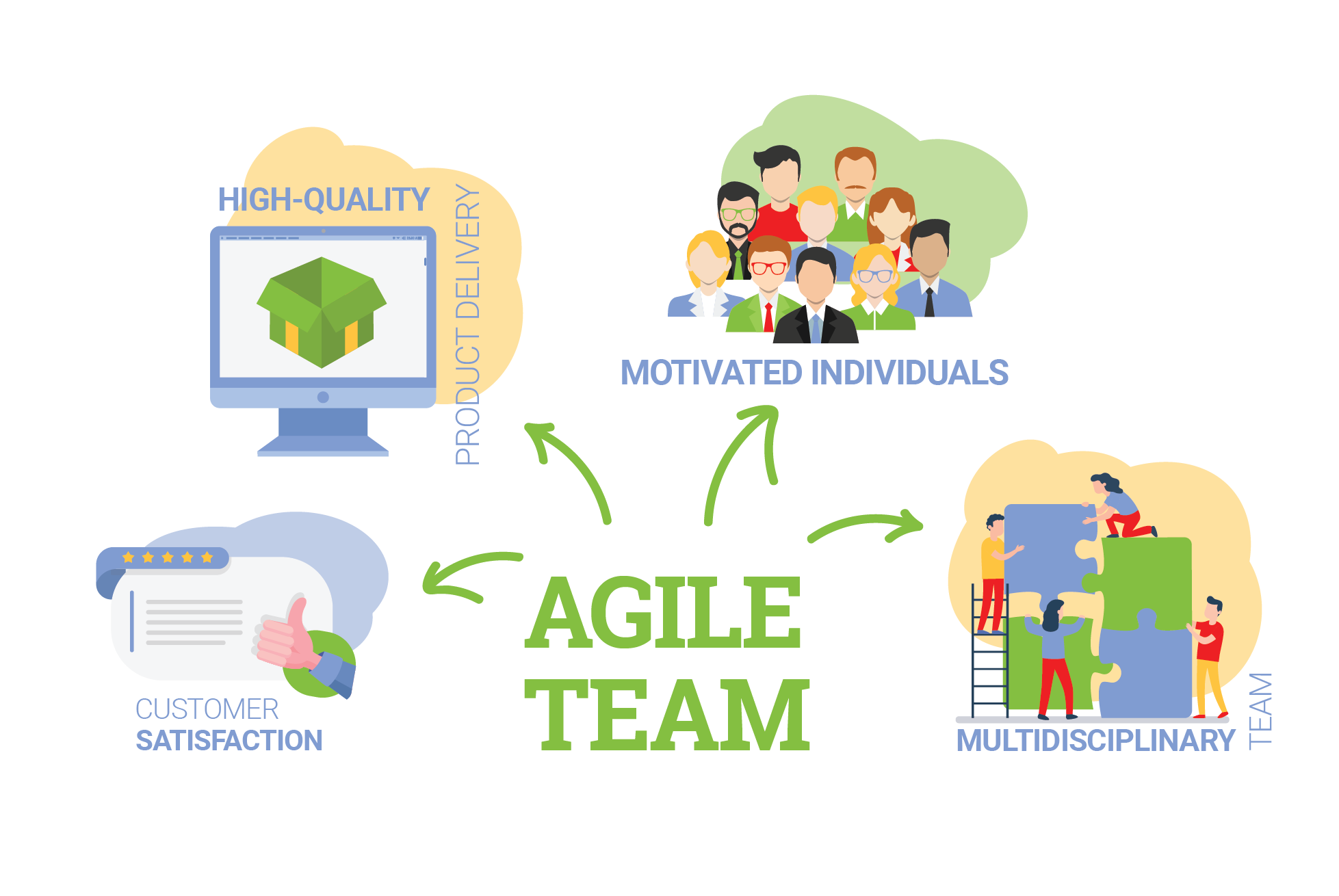
Agile principles and values influence and enable organisations to adapt to an increasingly volatile, uncertain, complex and ambiguous clientele. As cumbersome as this may be to adopt, Agility is a practice best experienced by forming small, autonomous teams that continuously strive to deliver value to their end consumers, potential or otherwise. This consequently builds both competitive spirit and camaraderie within the aspiring organisation, keeping Agile values as the fulcrum of operations. The cluster of teams, then, actively and continuously initiate communication, interact, and coordinate with other teams to tackle obstacles that can hinder Agile-based workflows. These would include scope creep – continuous, unplanned project scope growth – and greater time and commitment requirements.

A look at Agile – Success stories and shortcomings.

While it may seem like rocket science to most readers of this article, Agile principles and practices have now percolated cross-industry into the ever-changing, customer-driven marketplace and general management. One of the most popular frameworks that help implement Agile within a series of fixed-length iterations, or sprints, is Scrum. While Agile is a set of principles and practices, Scrum is the process of executing these principles. In its annual State of Scrum survey, the Scrum Alliance, a unified Scrum community, details the issues of scaling and agile transformation from both the practitioner and Scrum coach/master perspectives. The end goal of this practice is to understand, compare and consider the efficacy of Agile methods across industries annually. The report contains information collected from 27 industry verticals that implement Scrum, such as Consulting, Human Resources, Sales and Marketing and Education, apart from IT.

Agile principles help connect small, high-performance teams, improving transparency and visibility of work across teams and among consumers. This essentially transforms an old, vertical dynamic of an organisation into one that has a common mindset – that of delivering value to customers. The focus of providing value to the customer is also why organisations choose Scrum, with 85% of the organisations positing that Scrum improves upon the quality of work life. So, while this might sound counter-intuitive to the process of acquiring Scrum certification, Agile aspirants would be better off recommending Scrum certification to colleagues, friends and professionals, upon obtaining the certification themselves. This also goes back to the Agile principle of a collaborative mindset.

In 2017, several media outlets, including Business Insider and USA Today, listed ScrumMaster as one of the highest-paying jobs in America. This stems from a lack of trained individuals capable of steering an organisational overhaul to adopt Agile principles and practices into the company framework. As BCBSAZ HR Director, Torrie Michaud, states, “When an applicant has a Scrum certification, we know that applicant will be a collaborative and strong communicator while being eager to improve processes or bring new ideas.”

Agile and Scrum find a place in mental health as well, with Monash Health in Australia implementing Agile principles of a collaborative and feedback-oriented path to mental health and recovery, without compromising individualised quality.

Agile through the ages!

What Agile isn’t, however, is a “cost-cutting” technique to curb expenditures and “improve” the company’s workflow. Many organisations and conglomerates boast Agility but only do so in name. The top-down approach to becoming agile is counter-intuitive to the goals and values of Agile, which eventually kills an Agile-based ecosystem. Moreover, Agile cannot be implemented selectively; top-performing teams within an organisation cannot adopt Agile principles and function while the remainder of the organisation continues to be a top-down bureaucracy. Similarly, customer value and shareholder value will forever remain at distinct odds with each other, and one cannot serve two masters.

Under current management practice systems, Agile will fail in its adoption. It is only through time-tested experience and practice that Agile becomes part and parcel of the organisation’s mindset. Merely mimicking Agile practices from other Agile-based institutions won’t work in creating an Agile atmosphere at individual organisations – an organisation cannot “do Agile.” They need to “be Agile.”

Continue Reading →